

DL Stories · Fall 2026
Suede: The Softer Side of Leather
What suede really is, why it looks the way it does, and why fashion keeps coming back to it.
Suede is one of those rare materials that seems to have a temperature. It looks warm. It feels soft. It takes color differently from smooth leather, and it shifts with the light and with the direction of your hand.
Maybe that's why it never really disappears. Some seasons it sits quietly in the background. Then there are moments, like now, when it moves right back into focus.
Before we talk about why, it's worth asking a simpler question: what actually makes suede, suede?
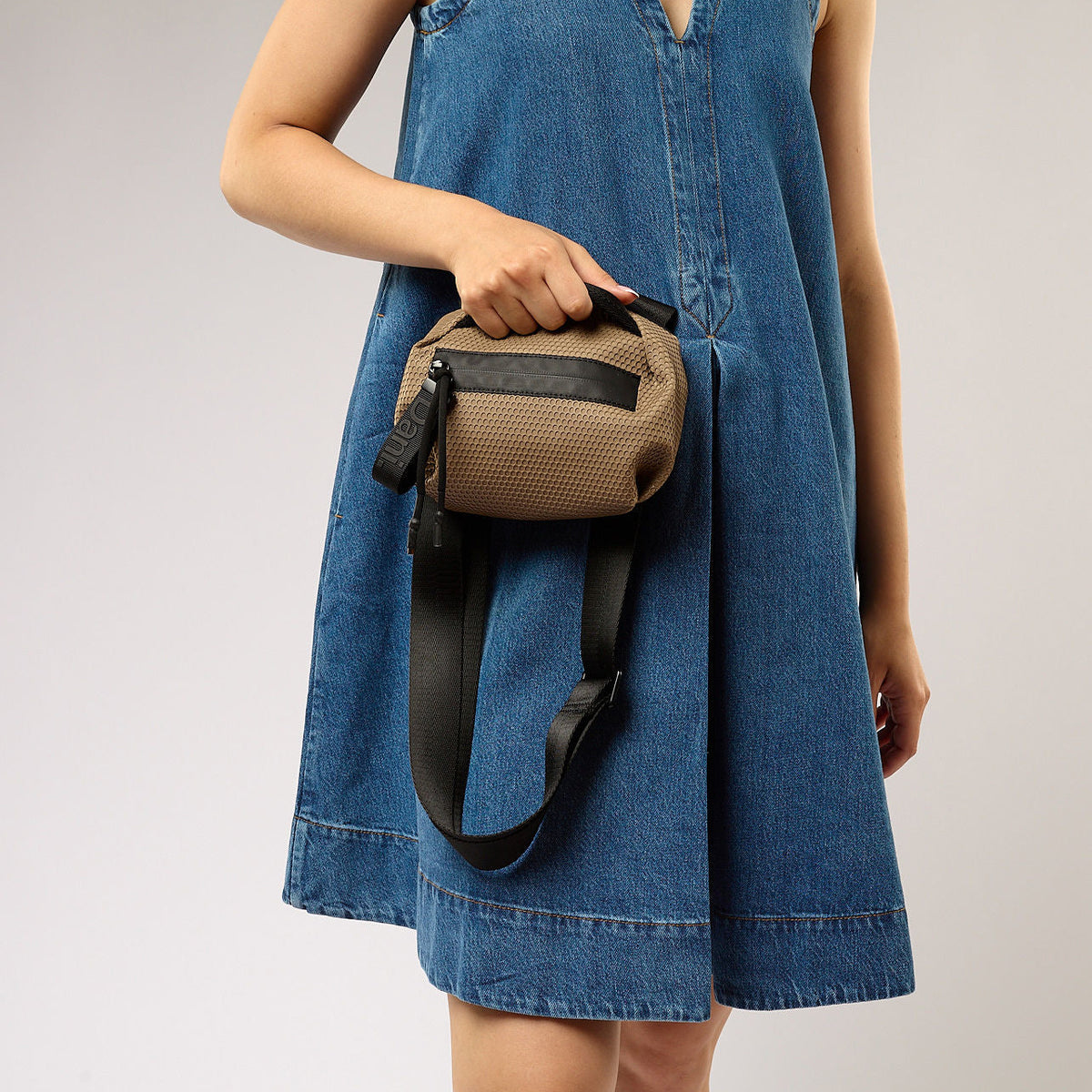
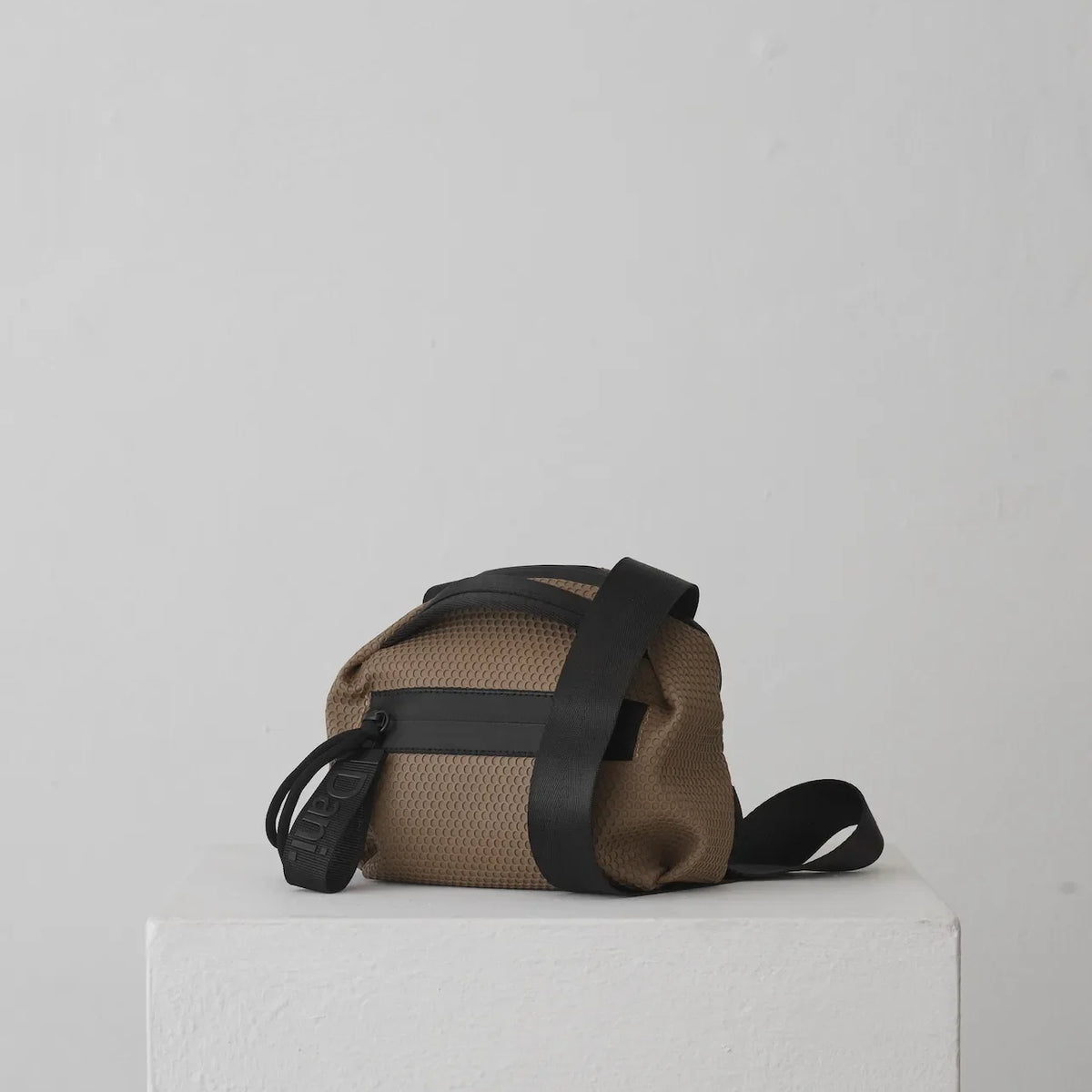
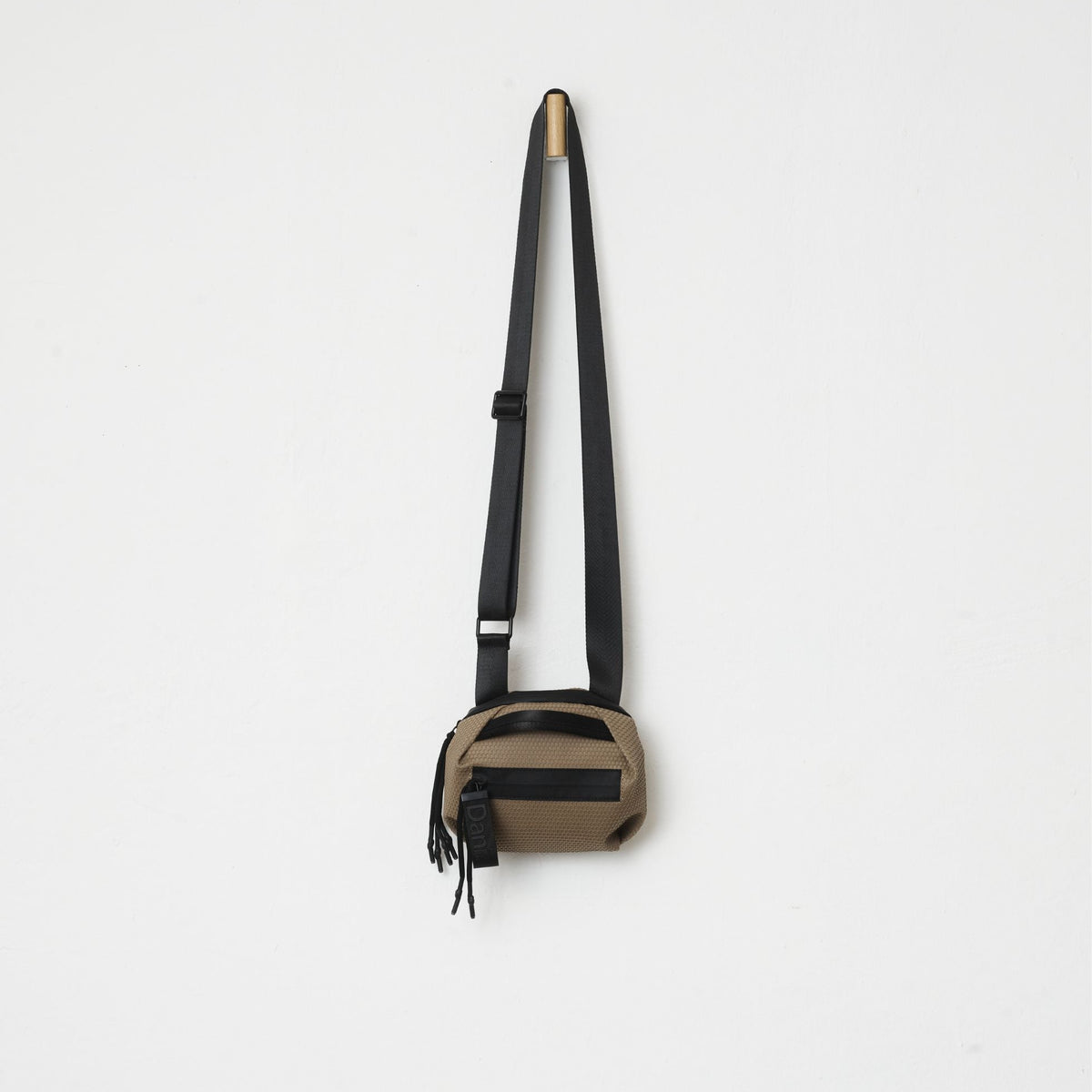
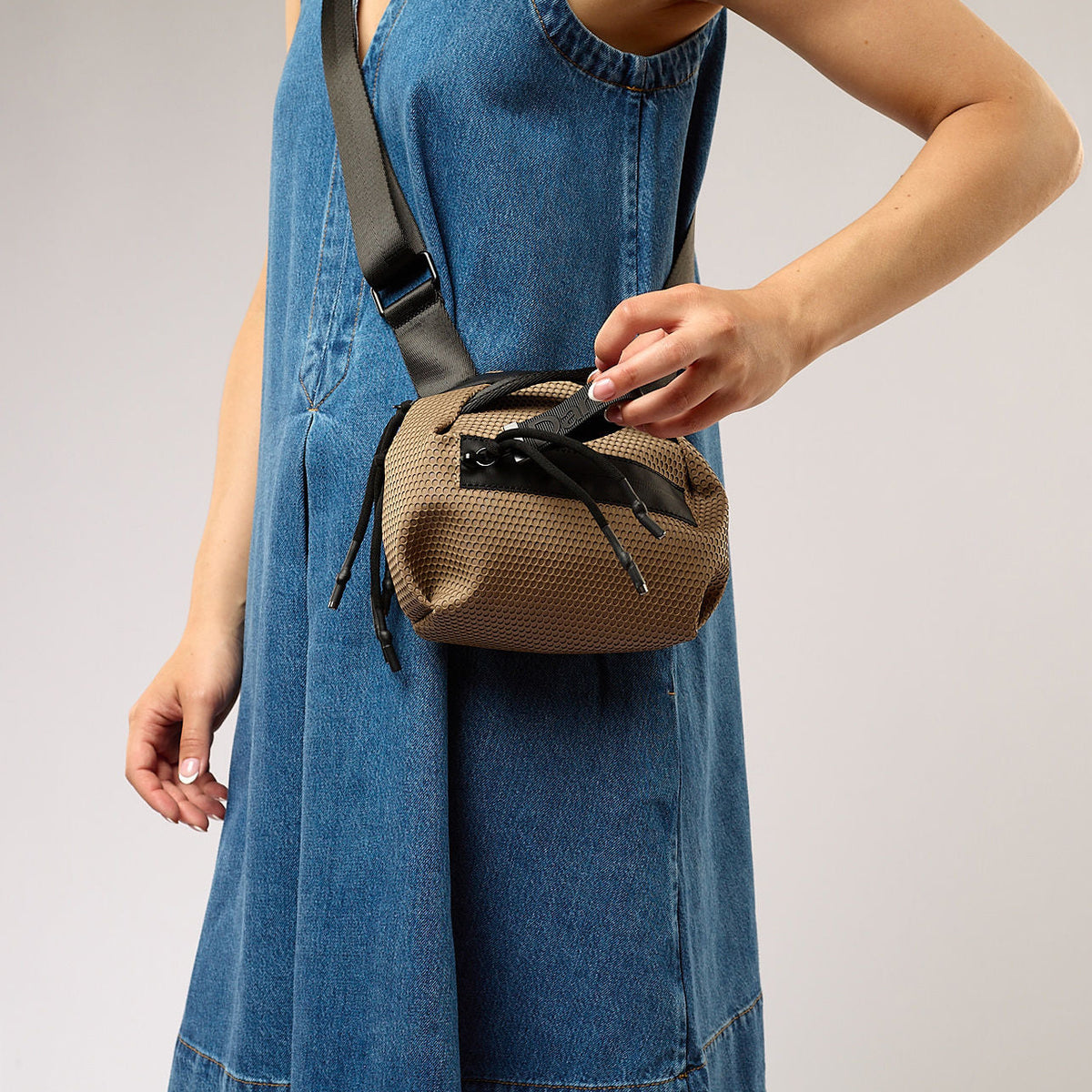
 Capri Clutch, Chocolate
Is Suede Real Leather? (Yes, but It's Not Leather Turned Inside Out)
Suede is real leather. But the common idea that suede is simply "leather turned inside out" isn't quite right.
A hide is made of layers. The outermost layer, called the grain, is the densest and toughest. It's the surface you see on smooth leather. Beneath it are softer, looser layers of fiber.
Traditional suede usually comes from splitting the hide and working with one of those inner layers. Its surface is then buffed to raise the fibers into that soft, velvety finish. It's not the back of a finished leather. It's a different part of the hide, worked in its own way.
Even the name carries a story. "Suede" comes from the French gants de Suède, "gloves from Sweden," where soft, napped leather gloves first won over French fashion.
Suede vs. nubuck: what's the difference?
They look alike, but they come from opposite sides of the story.
Nubuck
Nubuck is made from the outer grain. Its surface is lightly sanded, which gives it a finer, denser, almost peach-skin texture. It's usually a little sturdier.
Suede
Suede comes from the inner split. Its fibers are longer and looser, which gives it that deeper, softer nap we instantly associate with it.
So already, "suede is soft leather" isn't the whole picture. Where it comes from in the hide shapes everything about how it looks, feels and ages.
How Is Suede Made? From Hide to Velvet
Suede is a craft before it's a texture. The basic journey looks like this:
Selecting the hide
Each hide is carefully chosen for its quality, and each brings its own weight and softness.
Splitting
The hide is sliced horizontally into layers, separating the outer grain from the softer inner split.
Tanning
The split is treated so it becomes stable, durable leather that won't decay.
Drying
The leather is dried slowly to keep it supple.
Buffing
The surface is sanded or brushed to raise millions of tiny fibers. This is where suede gets its nap.
Dyeing and finishing
Color goes in, and the nap is brushed into its final, even direction.
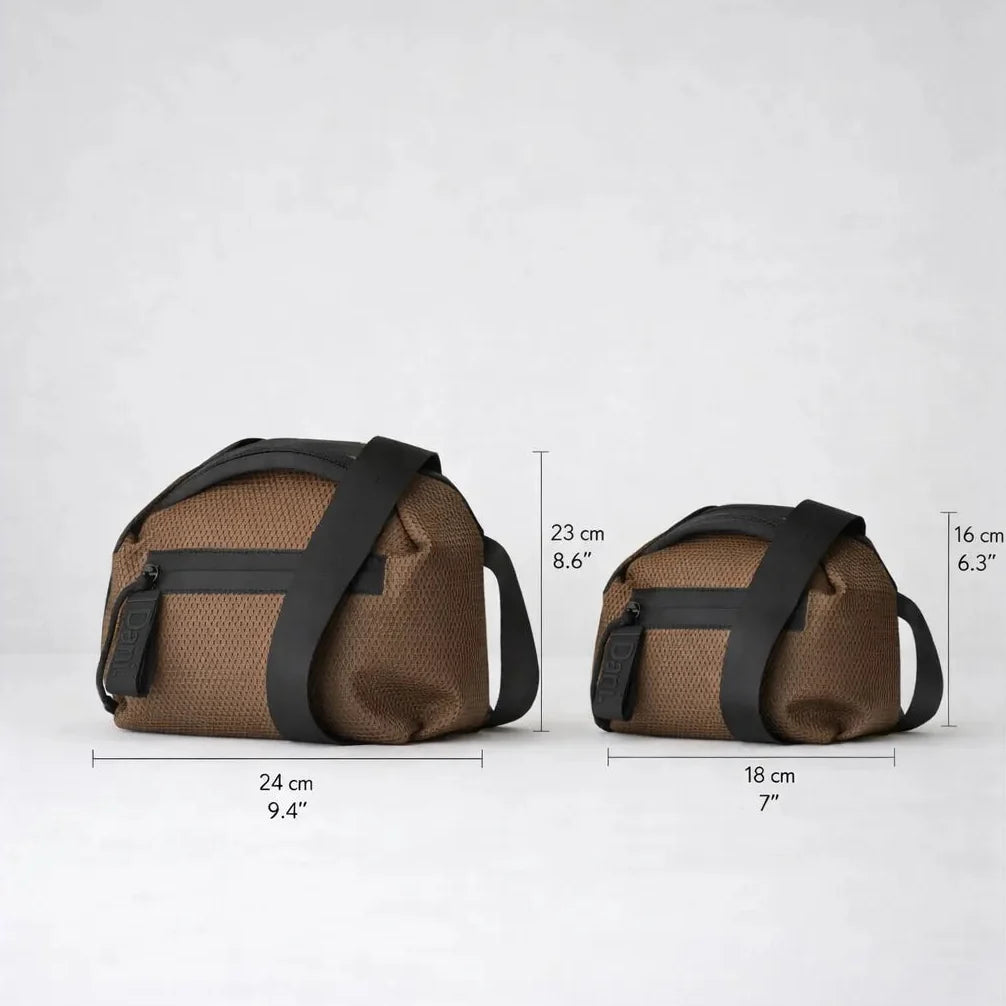
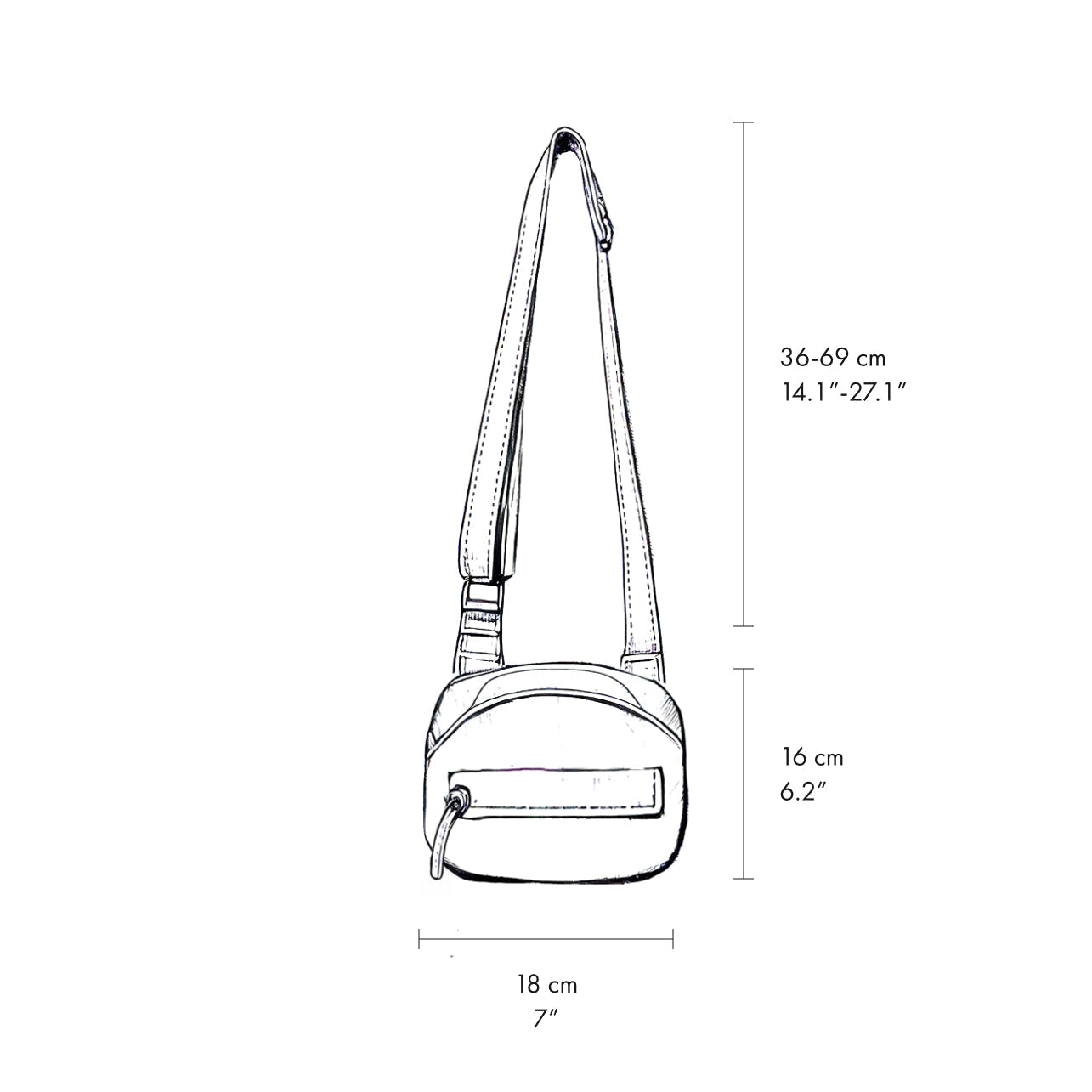
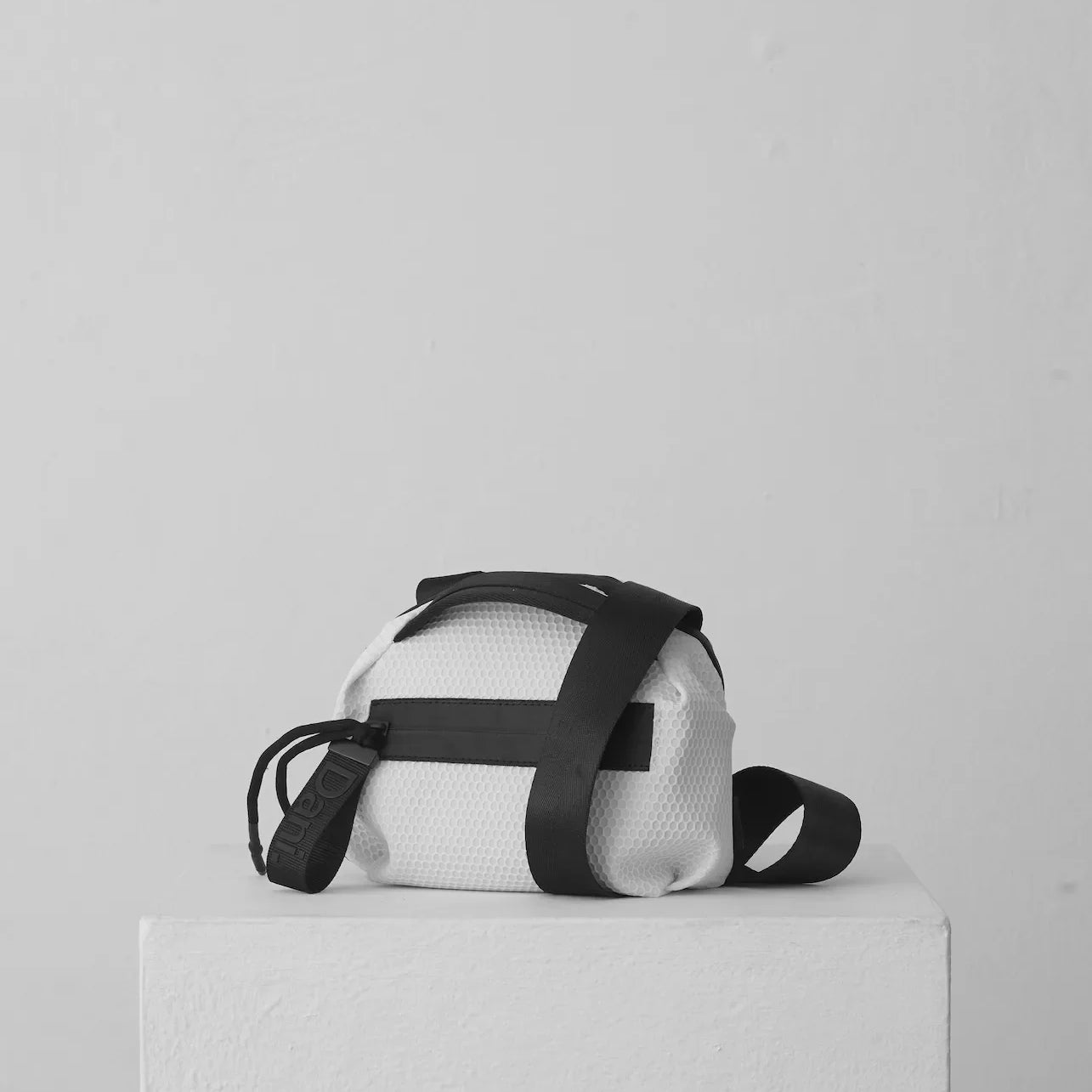
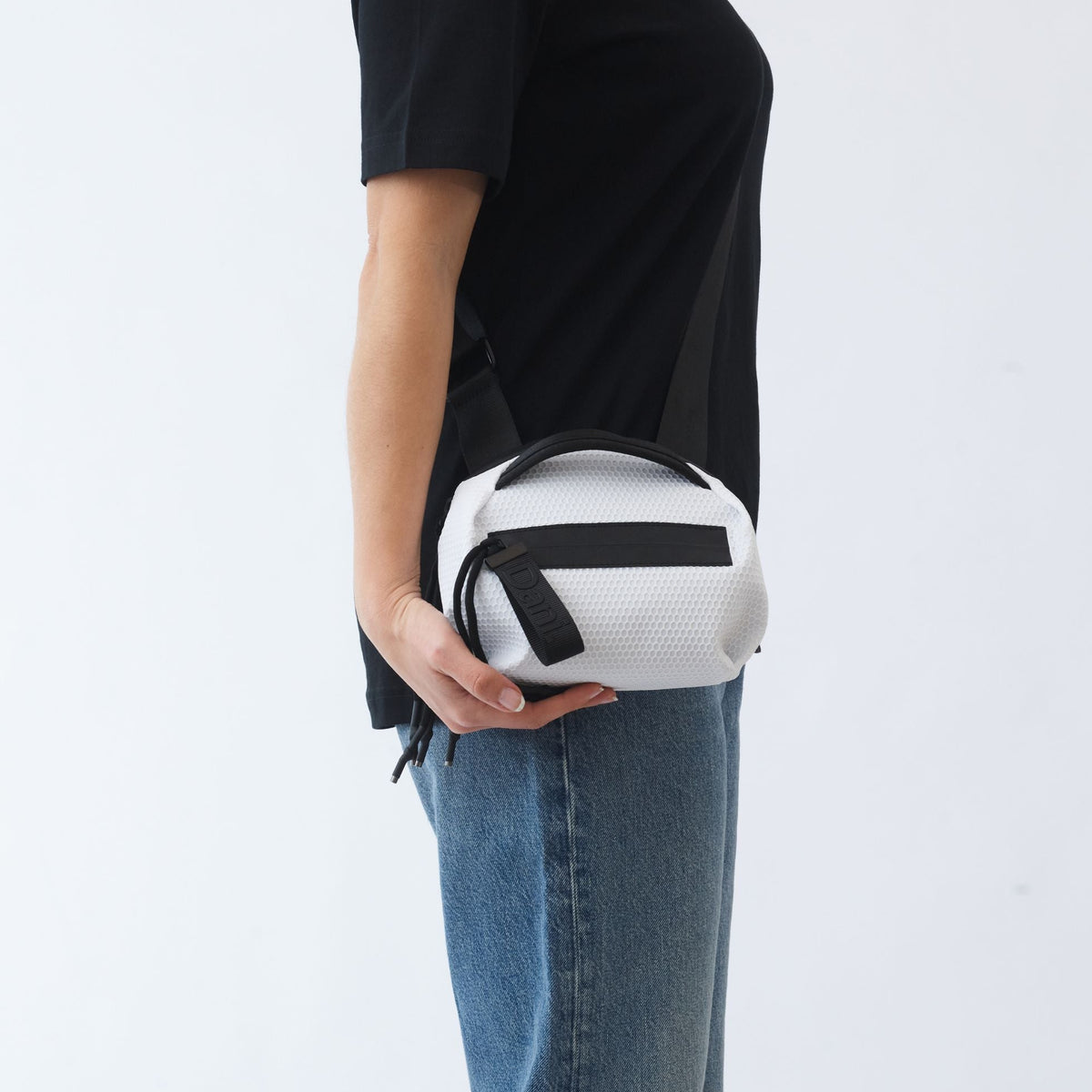
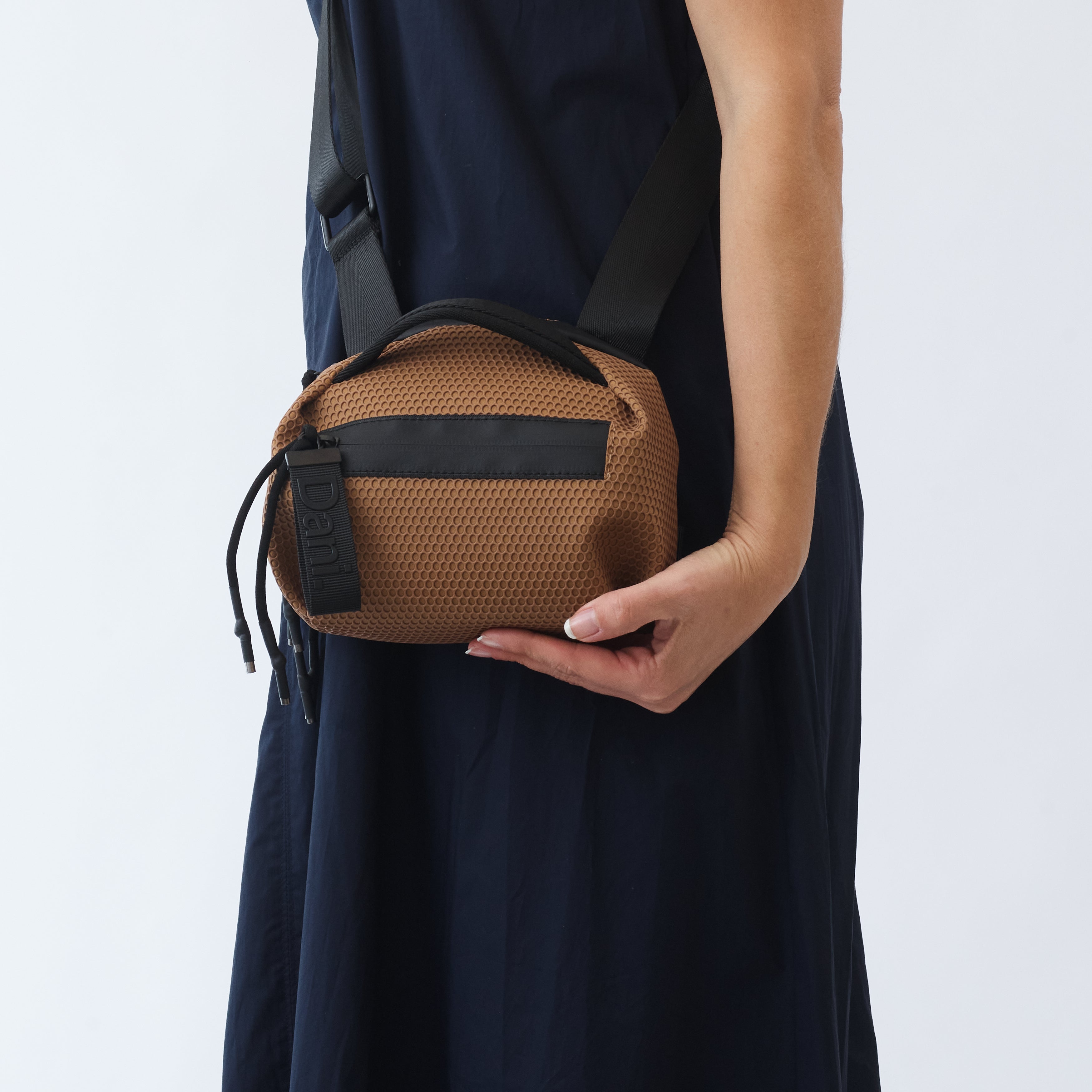
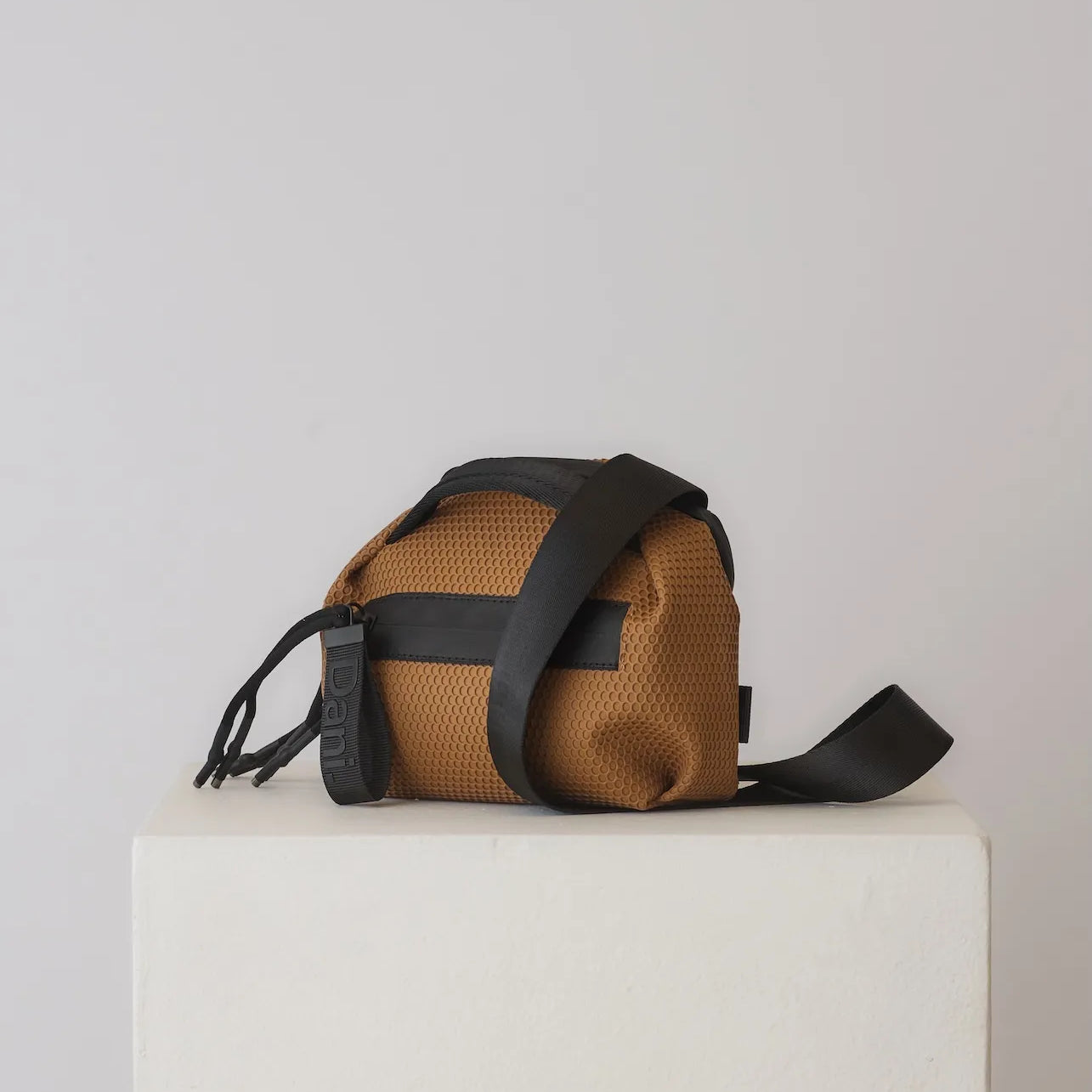
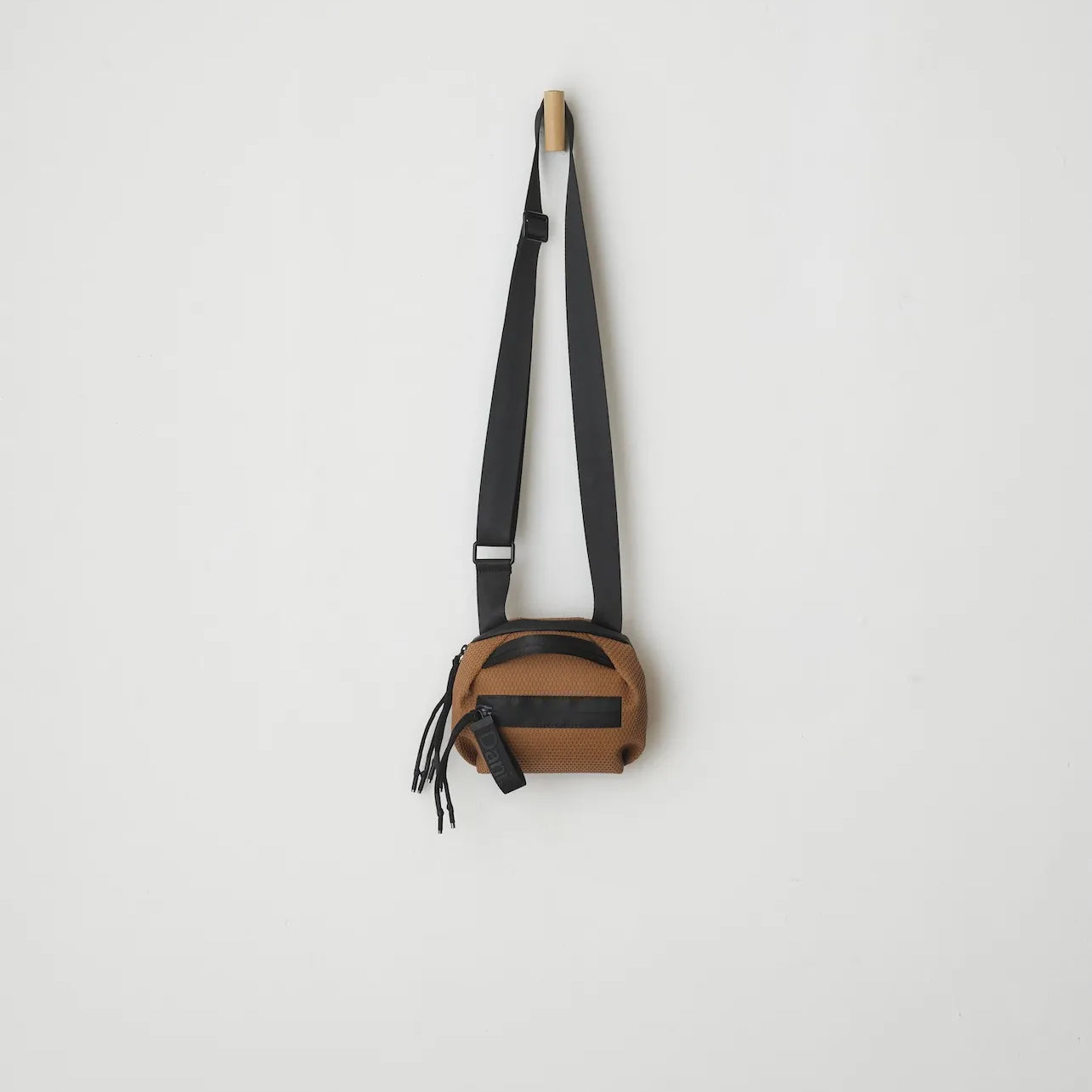
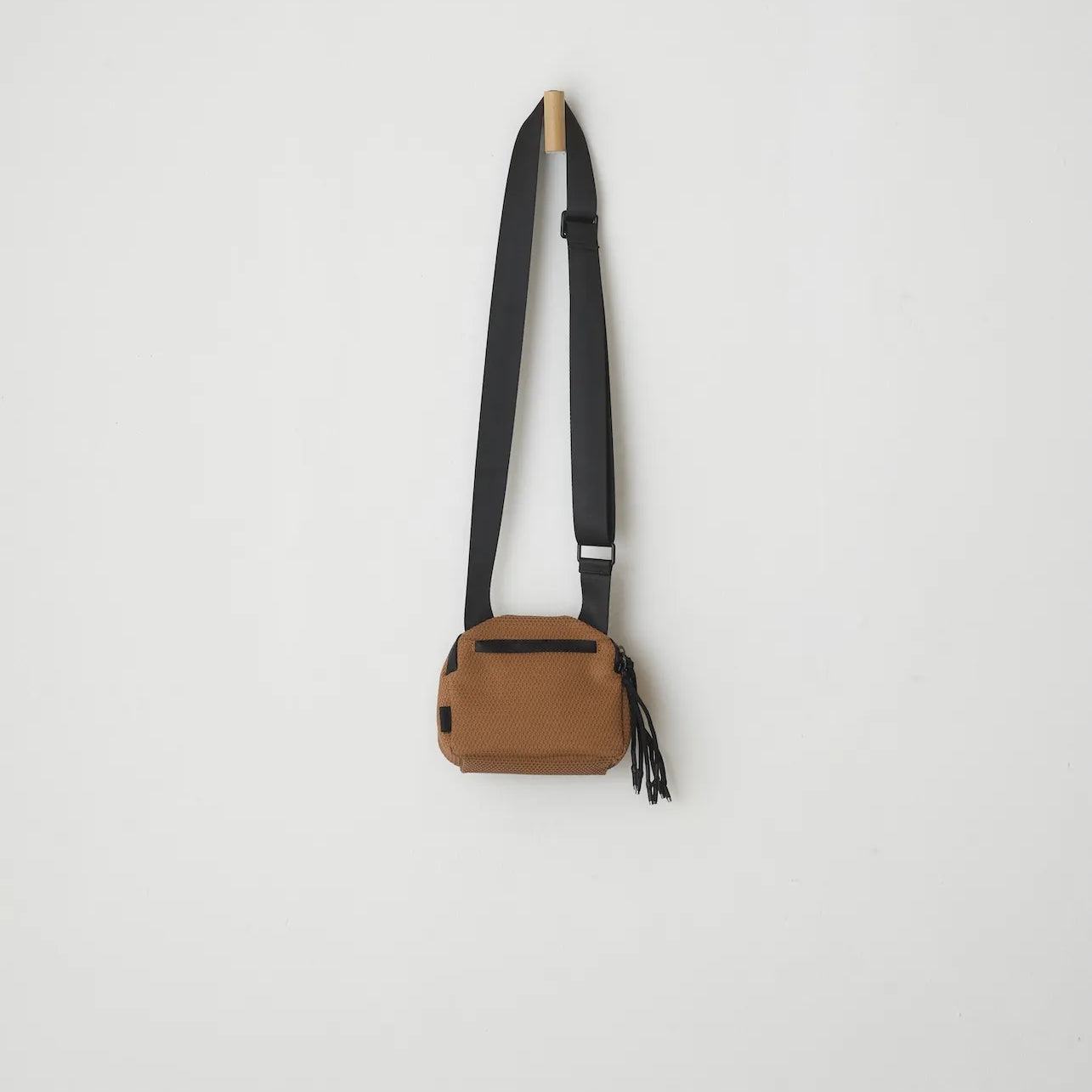
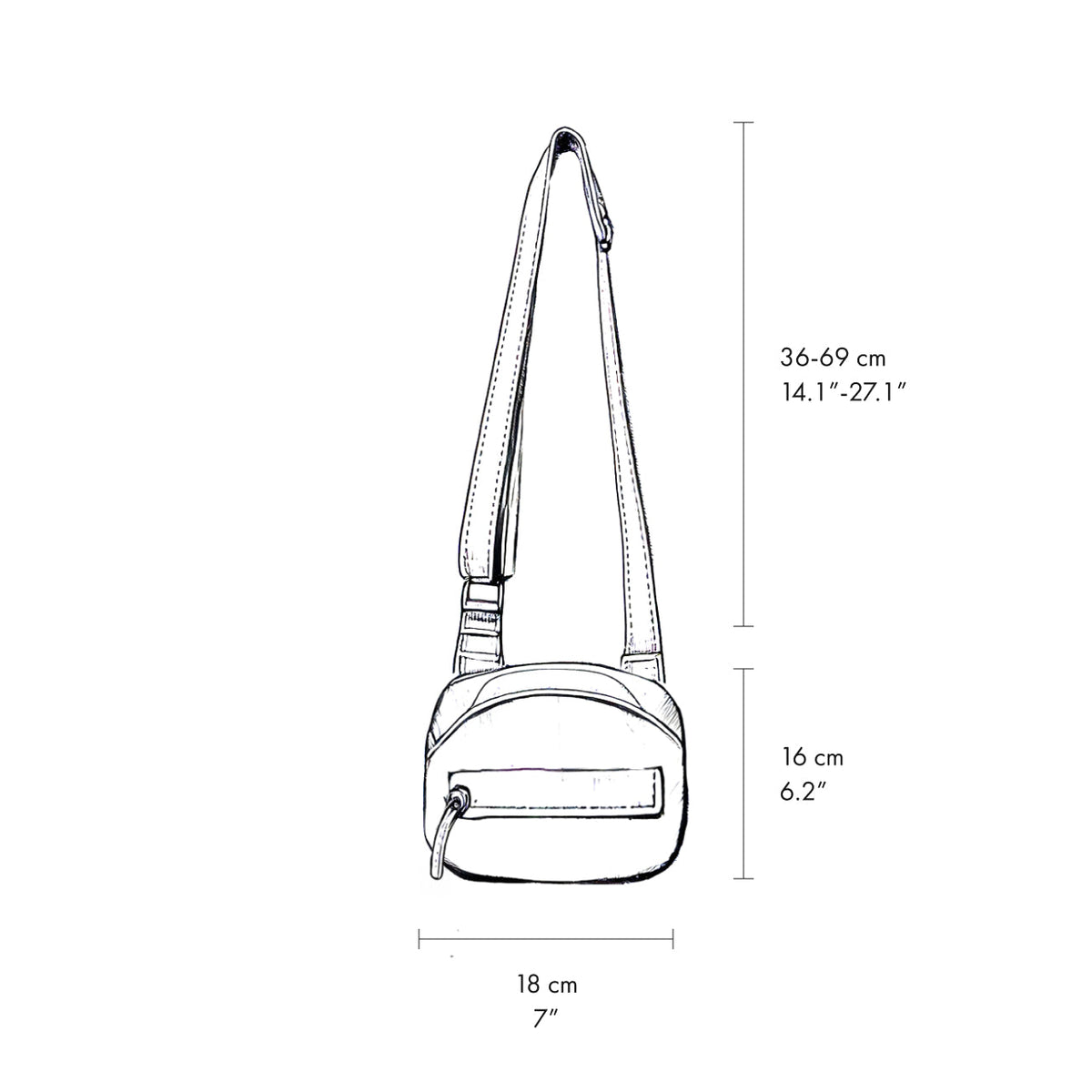
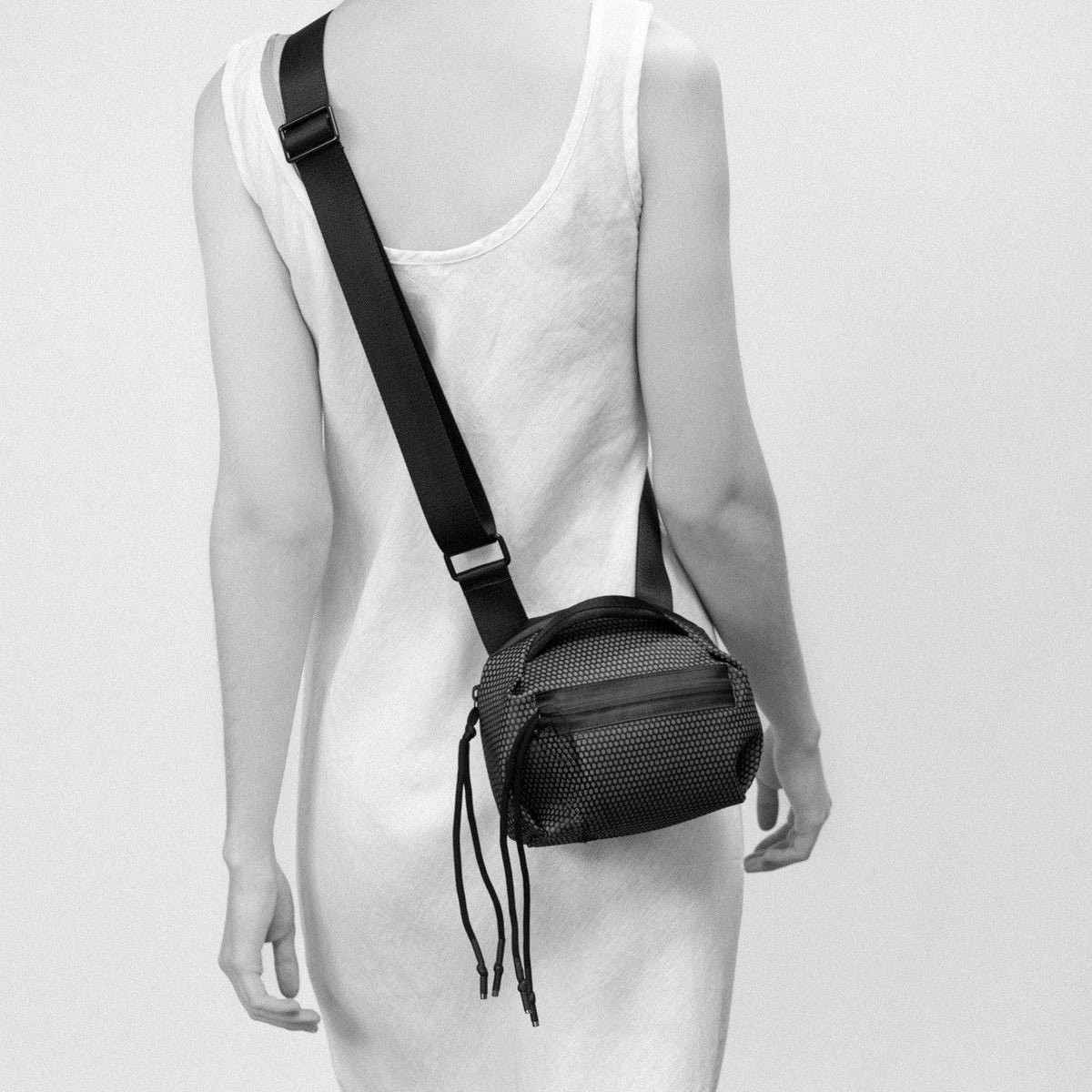
 Capri Crossbody, Chocolate
The nap: suede's secret
The nap is that fine layer of raised fibers on the surface, and it's what makes suede suede.
Run your hand across a suede bag and the fibers change direction. As they move, they catch the light differently. That's why the same bag can look darker from one angle and lighter from another, and why a finger can leave a soft trail across its surface.
 Salina Rushed Tote, Teal Croco
  Capri Clutch, Grey
Why Suede Looks So Rich
It's not about suede looking "expensive." It's about what your eye is actually seeing.
On smooth leather, light hits a fairly even surface and bounces back in one direction. On suede, it meets thousands of tiny fibers standing at slightly different angles. Some catch the light, others fall into shadow. The result is depth: a surface that never looks completely flat.
That's also why suede sits somewhere between leather and textile. It has the body and strength of leather, but to the eye and the hand it behaves almost like velvet. And it's one reason suede bags photograph so beautifully.
 Capri Satchel, Bordeaux
More in Suede
 Capri SatchelChocolate
  Capri CrossbodyChocolate
  Capri CrossbodyBordeaux
  Capri CrossbodyGrey
  Capri ClutchBordeaux
  Capri ClutchGrey
  Salina ShopperBrown Croco
  Salina ShopperTeal Croco
  Salina Rushed ToteTeal Croco
  Salina Mini BagBrown Croco
  Salina Mini BagTeal Croco
  Salina WristletBrown Croco
  Salina WristletTeal Croco
 Salina Shopper, Brown Croco
Why Suede, Why Now?
The return of suede is part of a broader shift in how we want things to feel. After years of surfaces that look polished and perfect, fashion is turning toward materials where you can see and feel texture, craft and time. Think of the return of loafers, moccasins, boat shoes and Oxfords, softer bags and less rigid shapes. Suede belongs naturally in that world.
The other part is suede's history of changing identity. In the 1960s and '70s it meant fringe, festivals and bohemian ease. In Americana and the American West, it meant buckskin and the open road. Today it slips into quiet, minimal wardrobes just as easily. The same material can feel relaxed, polished, elegant or quietly confident, depending only on its shape and its color.
Suede has never really left. It just keeps changing who it is.
Suede and Color: Where the Material Comes Alive
Color behaves differently on suede. Because of the way the fibers sit, your eye never reads it as one perfectly even surface. The color gains depth, with subtle shifts between light and shadow.
That's why brown suede is never simply brown. Depending on the light, it reads as coffee, earth, tobacco or chocolate. Bordeaux turns deeper. Blue takes on a dusty, lived-in quality. Red becomes less graphic and more complex.
Here's a simple way to think about it: suede softens strong colors and enriches quiet ones.
It's also why a brown suede bag is so easy to wear, from a suede shoulder bag to a suede crossbody bag. It connects colors rather than cutting through them. Try it with denim, grey, navy, cream, or even a touch of Bordeaux.
 Chocolate
  Bordeaux
  Grey
GreyThe Capri Crossbody
 Salina Wristlet, Brown Croco
Suede and Time
We're used to thinking of signs of wear as flaws. Natural materials suggest another way to see them: as a record of the life an object has lived.
Suede changes. Its fibers move. Some areas become slightly darker, others lighter, and your hands leave soft traces behind. Unlike synthetic surfaces designed to stay exactly the same forever, suede shows time.
We won't over-romanticize it. A stain is still a stain. But there's a real difference between damage and patina. A suede bag that has softened at the handle and deepened where it rests against you isn't worn out. It's become yours.
The Fear of Suede: Is It Really That Difficult to Care For?
A lot of people love suede but are afraid of it. The truth: suede needs a different kind of care, not necessarily more care.
 Salina Rushed Tote, Taupe
A good suede brush restores the direction and volume of the fibers, and with them the depth of the color. A suede protector spray before the first wear adds a quiet layer of defense.
Suede isn't waterproof, but a little rain won't ruin it. Water should never be rubbed into the surface: blot it gently, let it dry on its own, then brush. As for how to clean suede, stains are best treated gently and according to their type, ideally once the suede is completely dry.
And suede likes to breathe. Store it somewhere dry and ventilated, in a cotton dust bag rather than sealed inside plastic.
And the most important rule of all: don't try to make suede look perfectly uniform. Part of its beauty is the way it moves.
For more detail, see our full care instructions.
A Material That Wants to Be Touched
Some materials draw us in with their shape. Others reach a different sense entirely. Suede belongs to the second kind.
The depth of its color, the way light moves across it, the feeling of its fibers under your hand, and the way it slowly changes with you: that's exactly why we keep coming back to it.
If you'd like to feel it for yourself, our suede pieces for this season are waiting.
Explore the suede collection